
Food and large-scale distribution
AENOR, quality and safety guarantee at every step of the food and supply chain.
AENOR guarantees safety, quality and sustainability in the agri-food sector through solutions that guarantee compliance with standards throughout the chain. It includes food safety management, animal welfare, sustainable production, traceability, waste management and reduction of environmental impact. It also certifies differentiated products as antibiotic-free or regenerative agriculture, reinforcing its commitment to society and the sustainable development of the food industry.
AENOR's food safety solutions are key for exports: large European chains require protocols such as BRC and IFS. This facilitates access to international markets and improves the competitiveness of the sector.
AENOR certifies differential attributes such as antibiotic-free products, Welfair® animal welfare, A2 milk, regenerative agriculture or sustainable production, strengthening consumer confidence.
Agri-food certifications and management systems to guarantee safety, quality, traceability and compliance with recognised standards throughout the value chain.
Specialised training for professionals in the agri-food sector in food safety, sustainability, key standards and certifications. |
Access reference technical standards to ensure good practices, regulatory compliance and excellence in agri-food production. |
Independent tests and analyses that verify the safety, quality and conformity of agri-food products and processes. |
Initiative aimed at improving the treatment, handling and conditions of animals, promoting responsible practices in livestock farms and slaughterhouses.
A model that supports responsible farming systems, guaranteeing antibiotic-free production practices and promoting more sustainable livestock farming.
Proposal focused on dairy products differentiated by their protein composition, providing reliable information for producers and consumers.
Tool to assess the quality and origin of the oil, reinforcing authenticity and good practices throughout the olive oil chain.
Platform dedicated to guaranteeing the quality, characteristics and tradition of Serrano ham, supporting its recognition and its production process.
Comprehensive approach to control the journey of products from their origin to the consumer, reinforcing security, transparency and control.
A management framework that helps organizations secure safe products, control risks, and strengthen consumer confidence.
Platform that promotes quality and safety in food processes, helping companies to strengthen controls, transparency and trust throughout their value chain.
International reference for improving quality and safety processes in the food industry, promoting common and reliable standards.
Global scheme that supports sound management systems, improving practices and processes to ensure safe products in the food industry.
A management framework that helps organizations secure safe products, control risks, and strengthen consumer confidence.
All the key standards for the analysis, control and management of microbiological safety in the food chain.
Sustainability in food involves transforming production and consumption systems from the environmental, social and economic dimensions to reduce environmental impact, preserve natural resources and promote responsible production, transformation and consumption habits. The sustainable food approach ranges from agricultural practices that respect the growing ecosystem and biodiversity to more conscious and efficient restoration models. Organizations that adopt these principles contribute to a food chain that is fairer, healthier and aligned with global sustainability challenges.
A strategy that promotes the reduction of losses and waste throughout the chain, promoting efficiency and environmental responsibility.
They contribute to a more sustainable model, promoting agricultural practices that restore soils, biodiversity, ecosystems, etc
Framework to promote responsible agricultural practices, optimizing resources and reducing environmental impacts on plant production.
Initiative that supports sustainable fishing practices, guaranteeing traceability and commitment to the conservation of marine resources.
A proposal that promotes responsible restaurant models, promoting efficiency, good practices and options aligned with sustainability.
Platform that evaluates quality and good practices in restaurant and catering services, supporting continuous improvement and consumer confidence.
Framework that helps companies demonstrate quality, safety, and compliance in the manufacture and development of cosmetic products.
Initiative to support responsible practices in supply chains, ensuring products free of contribution to deforestation.

Become an exclusive member of our group of tasters today by trying different products that are already on the market or are going to be launched soon

Everything you need at your SME's fingertips so that you don't waste time, so that you don't miss anything and find in the same space everything that is really important to boost your business. Sign up.
Companies in the food and large-scale distribution sector committed to the sustainability of the agri-food system
AENOR's certifications in the food and large-scale distribution sector guarantee trust and quality, ensuring that products meet the highest standards of safety and excellence. This builds the confidence needed for consumers to choose certified products.
Request informationConsumer Featured Product Certification
Pablo de Vicente, Director of the AENOR Laboratory, explains how the products that want to opt for this certification, based on sensory analysis, are subjected to a blind tasting where 80 consumers assess their main attributes such as taste, smell or texture, and give an overall assessment of the product.
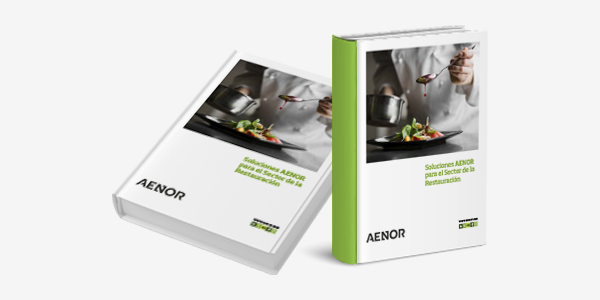
AENOR Solutions for the Catering Sector
Free Download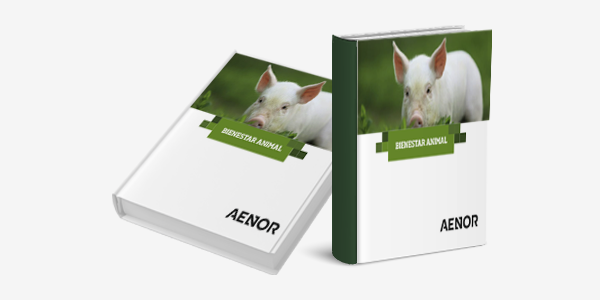
Ebook Pig animal welfare
Free DownloadDairy products with a consumer guarantee
Consumers are finding more and more variety of dairy products on the market. Therefore, it is important that the information about their name offers them the necessary confidence for their purchase decision. The AENOR Laboratory offers solutions to organisations in the food chain that want to add value to the products they market.
Do you know the new requirements of the BRCGS Packaging Materials Protocol?
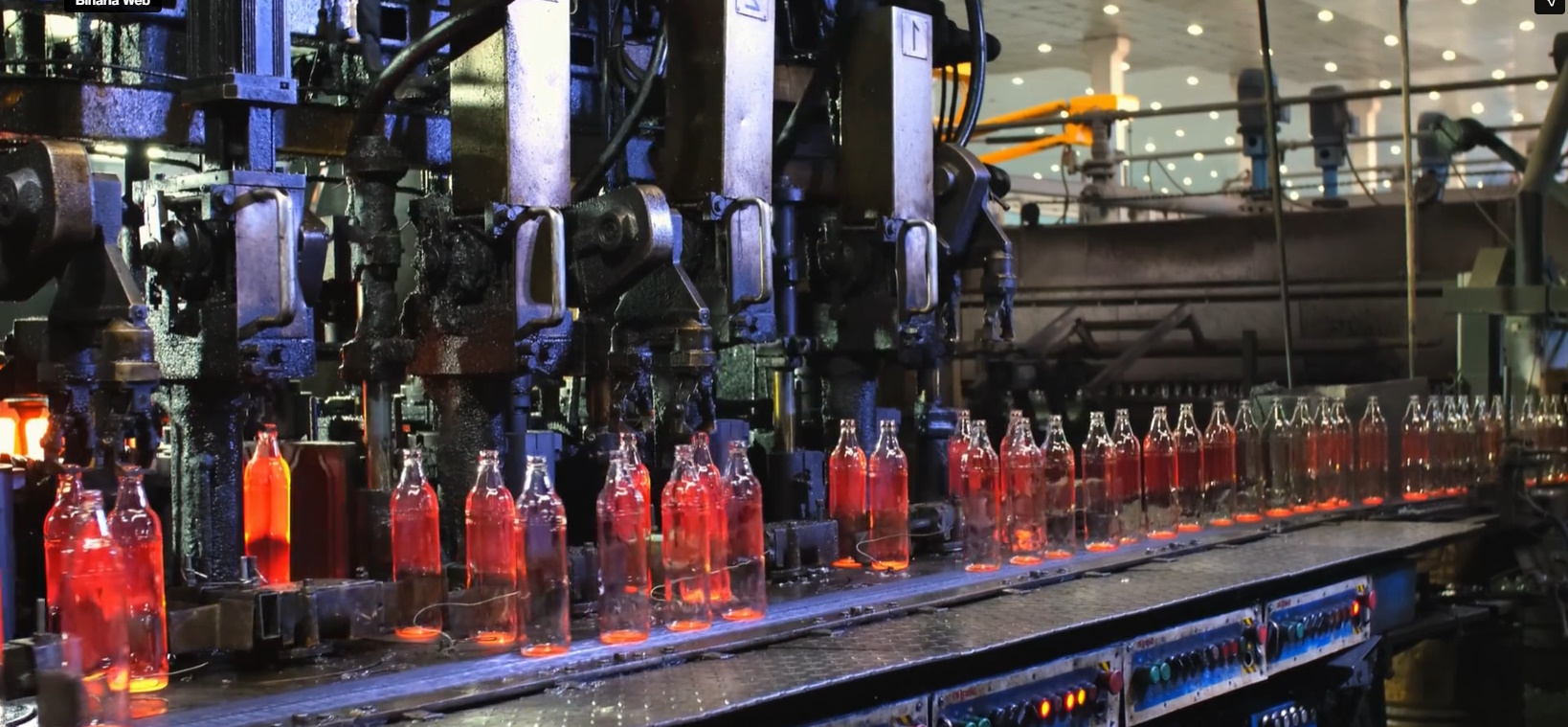
On April 28, version 7 of the BRCGS standard came into force, aimed at manufacturers of packaging and packaging materials. Here we analyse in detail the new requirements and how AENOR can accompany organisations in this certification process.
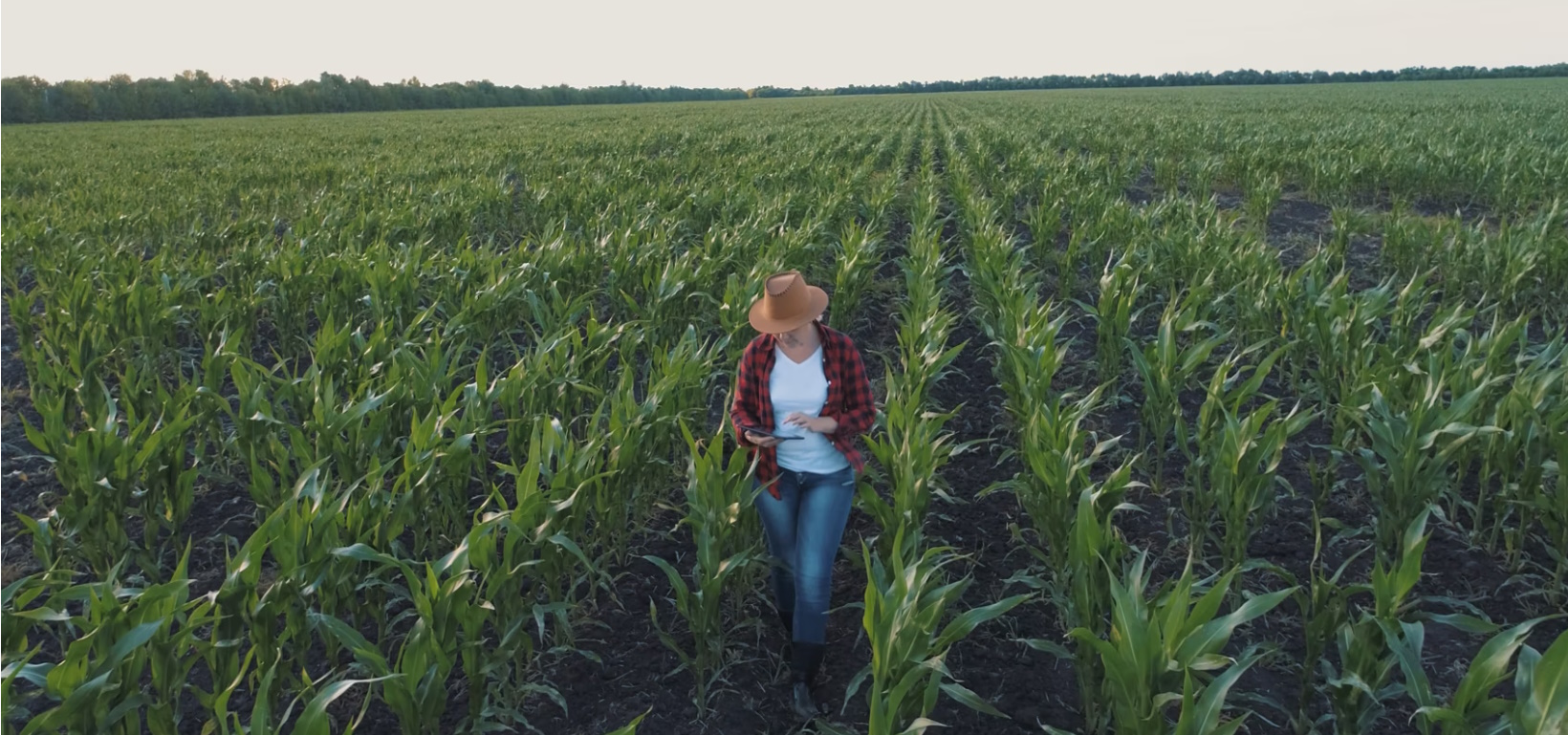
From traditional to regenerative agriculture
Do you want to know the roadmap to successfully carry out the transition from traditional to regenerative agriculture? Here we explain the four key steps to do so and how AENOR can help you through Regenerative Agriculture certification.

16:00 Online
09:00 Valencia
09:30 Madrid
09:30 Madrid
08:15 Pamplona
10:00 Madrid
10:00 Madrid
10:00 Madrid
10:00 Online
16:00 Online
17:00 - 20:00 Online
09:00 Elda (Alicante)